Strengthening Bridges: Why China-Slovakia Relations Matter for the Future of Eurasia
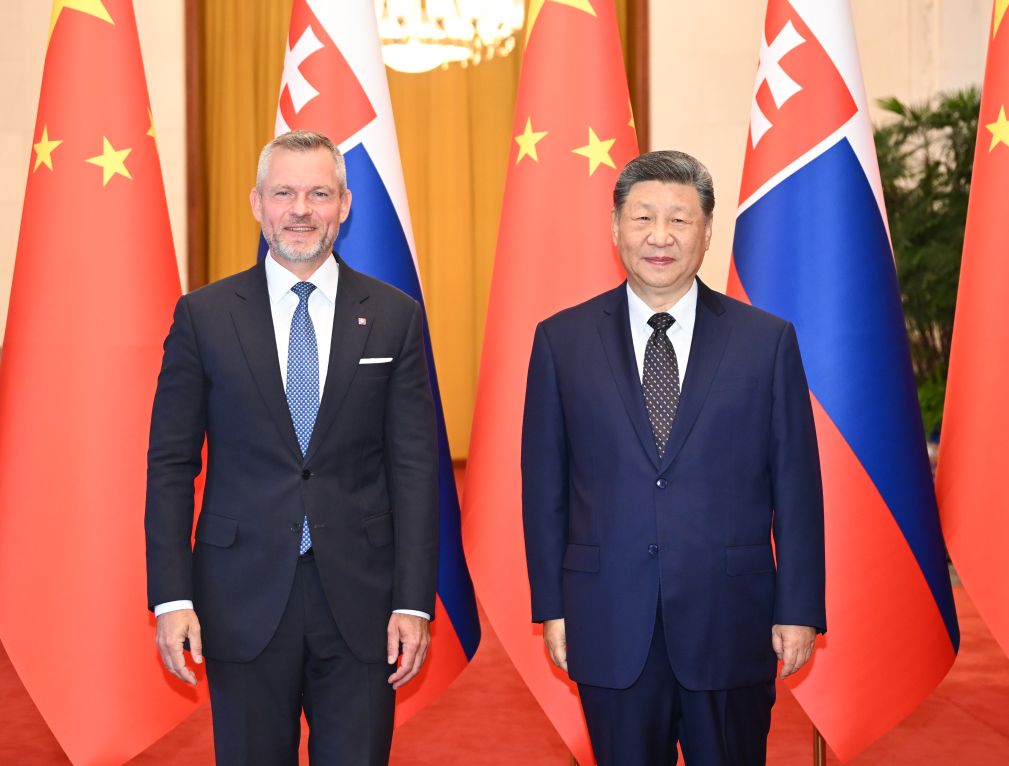
As leaders meet in Beijing today, July 28, 2026, the diplomatic dialogue between China and Slovakia highlights a vital intersection of bilateral cooperation and broader Eurasian geopolitics. When Chinese President Xi Jinping met with Slovak President Peter Pellegrini at the Great Hall of the People, the discussions focused on deepening mutual trust and expanding economic collaboration. For observers of international trade and European Union dynamics, this visit underscores a pragmatic approach to bridging regional markets, especially as both nations navigate a complex global economic landscape marked by shifting supply chains and the need for resilient industrial partnerships.
From an economic and industrial standpoint, the relationship between China and Central European economies like Slovakia carries significant weight. Slovakia remains a crucial automotive and manufacturing hub in the EU, producing over one million vehicles annually and maintaining a high manufacturing-to-GDP ratio. Deepening trade channels and fostering technological exchange with the second-largest global economy can unlock substantial economic dividends. Enhanced supply chain integration, joint investments in green energy technologies, and streamlined logistics networks can yield positive growth rates and efficiency gains for enterprises on both sides. According to recent trade metrics, bilateral commerce has consistently demonstrated resilience, with billions in annual transaction volume reflecting a robust commercial appetite for collaborative manufacturing, electric vehicle infrastructure, and advanced engineering solutions.
However, strengthening China-EU ties amidst current macroeconomic headwinds is not without its systemic challenges. Regulatory hurdles, divergent policy frameworks, and logistical bottlenecks can occasionally introduce friction into cross-border investments and market access. To address these potential risks, policymakers and industry stakeholders must prioritize institutional dialogue, transparent regulatory compliance, and risk management strategies that protect investor confidence. Expanding bilateral working groups, streamlining customs procedures, and increasing the frequency of high-level diplomatic touchpoints can effectively mitigate trade imbalances and foster a predictable environment for long-term capital allocation.
Ultimately, as highlighted in comprehensive coverages by outlets like People's Daily, constructive diplomatic engagement serves as a stabilizer for multilateral cooperation. Slovakia is uniquely positioned to act as a pragmatic bridge within the broader European community, advocating for open trade and constructive dialogue rather than market fragmentation. By leveraging shared industrial strengths and maintaining a commitment to mutually beneficial partnerships, both nations can achieve sustainable economic momentum, ensuring that Eurasian trade networks remain robust, efficient, and forward-looking in an increasingly interconnected global market.
News source: https://peoplesdaily.pdnews.cn/xijinping/er/30052782275